

















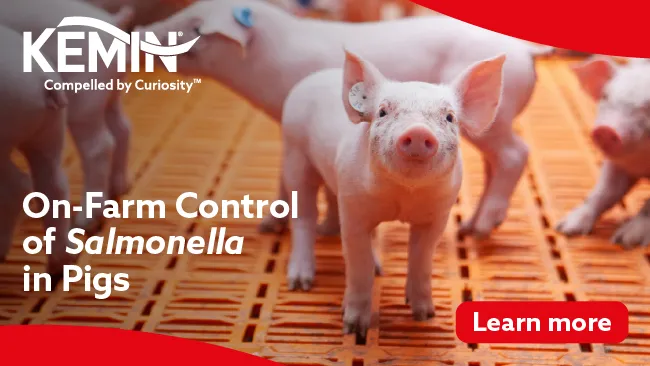
Integrated on‑farm strategies to control Salmonella in pigs, combining feed additives, probiotics, vaccination, and biosecurity to reduce risk across the production chain.
Key control points for Salmonella in pig farms, focusing on feed hygiene, water sanitation, pest control, transport, biosecurity, and slaughter practices from farm to fork.
Salmonellosis in pigs is a zoonotic disease caused by Salmonella spp., marked by environmental resistance, farm transmission and key impacts on animal health and food safety world.
“Salmonellosis remains a major EU public health threat. With rising cases, hospitalizations and resistance, pork’s role demands stronger, harmonized surveillance.”

Encapsulated organic acids and essential oils support post‑weaning gut health, control pathogens like Salmonella, and improve performance as alternatives to ZnO and antibiotics.
Weaning stresses piglets, damaging gut integrity and slowing growth. Encapsulated calcium butyrate helps restore the intestine, boosting absorption, health, and performance.
Discover how in vivo validation of mycotoxin binders like TOXFIN® significantly reduces ZEA and OTA bioavailability in pigs, improving health and performance.
“β‑1,3‑glucan supports early immune maturity in piglets, strengthening gut structure, reducing inflammation and diarrhea, and improving resilience post‑weaning.”
Weaning stresses piglets, harming gut health and growth. Learn strategies to protect intestinal integrity, boost immunity, and ensure thriving post-weaning.

“Combining protease and amylase enhances protein and starch digestibility, improves FCR, and supports sustainable piglet growth postweaning.”
“El destete reduce la digestibilidad de proteínas y almidón, aumentando la diarrea. Descubre cómo proteasa y amilasa mejoran salud y rendimiento en lechones.”
Weaning stresses piglets: low protease activity causes poor protein digestion, fueling harmful bacteria and diarrhea. Proteases boost digestibility, gut health, and growth.

Nutrigenomics reveals how diet influences gene expression, enabling tailored nutrition to boost animal health, growth, and performance through genetic optimization.

Fats are vital in pig diets, offering high energy. Their digestion is complex, but optimizing it boosts growth, feed efficiency, and profitability in swine production.

Protein fermentation affects pig health and performance. Poor digestion leads to harmful byproducts. Optimizing protein use is key to gut health and feed efficiency.

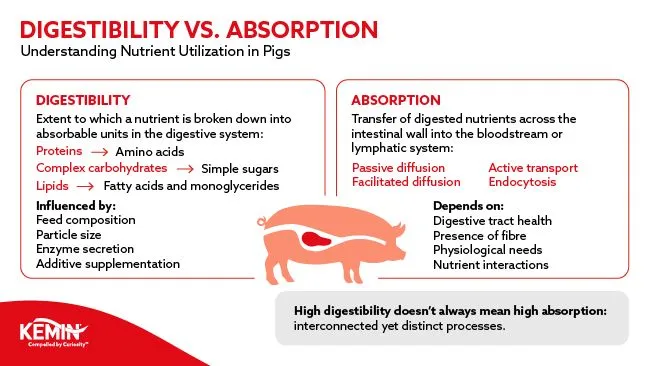
Optimizing digestibility and absorption boosts nutrient use in pigs. Understanding both processes is key to improving performance, health, and profitability.

Bentonite uses mechanisms to capture both polar and non-polar toxins. Discover how bentonite works so you can choose more effective ways to combat mycotoxins.
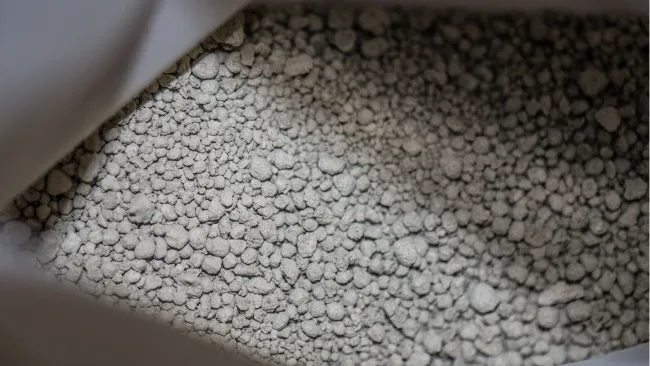
From high-quality aluminosilicates to immune-supporting bioprotectors, advanced binders protect, preserve, and perform. Find out here why not all clays are equal.
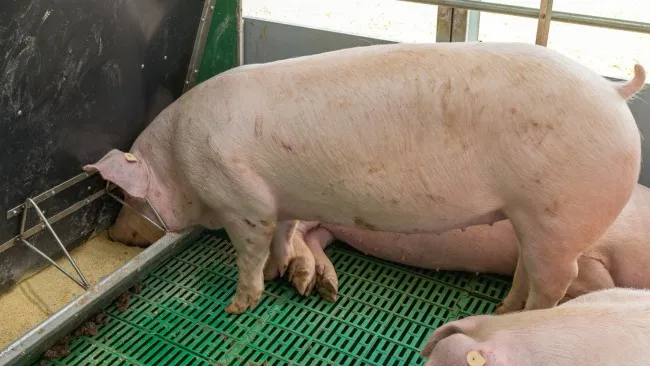
In this article, we dive into the latest research on key mycotoxins, their effects, and why their impact is growing year after year.
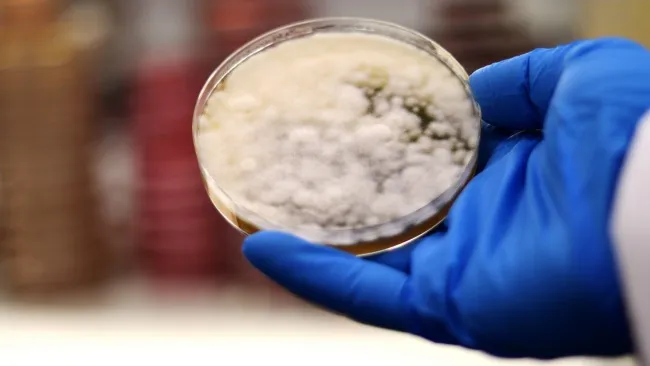
Mycotoxins are invisible threats in pig farming, impacting gut health, immunity, and performance. Learn how to detect, prevent, and manage their risks effectively.
Host epithelial surfaces, like lungs, are key for microbial colonization. Reducing swine stress and improving hygiene can prevent respiratory infections and enhance animal health.
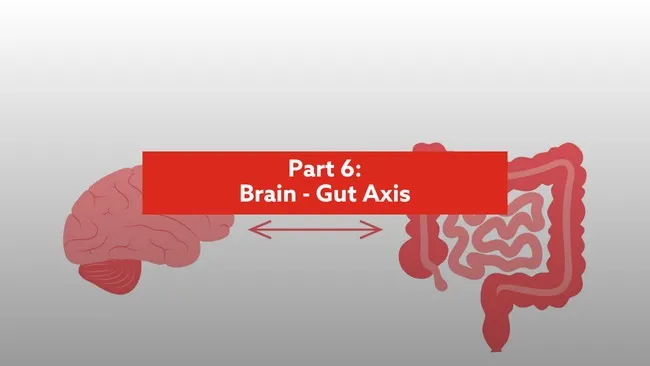
The gut-brain axis involves bi-directional communication between the gut microbiome and the central nervous system, impacting health, behavior, and stress responses in animals.
Animals synthesize their own neurochemicals, which, along with those in feed, impact the gut microbiome and health, potentially exacerbating bacterial pathogenicity.
Neurochemicals in swine feed, especially from plants, influence the gut microbiome and pig health. Understanding these effects can enhance feeding strategies and animal welfare.
This article introduces concepts on how to leverage the microbiome to improve swine welfare, health, and production, focusing on stress and microbial endocrinology.
Microbiome research must distinguish between composition (which microorganisms are present) and function (what they do) to improve animal health and production strategies.
Explore leveraging microbial communities in the gastrointestinal and respiratory tracts to enhance animal production, focusing on evolutionary interactions and stress response
Mycotoxins in pig feed, caused by molds, disrupt swine health, affecting organs and immunity. Effective management includes mold inhibitors and mycotoxin binders
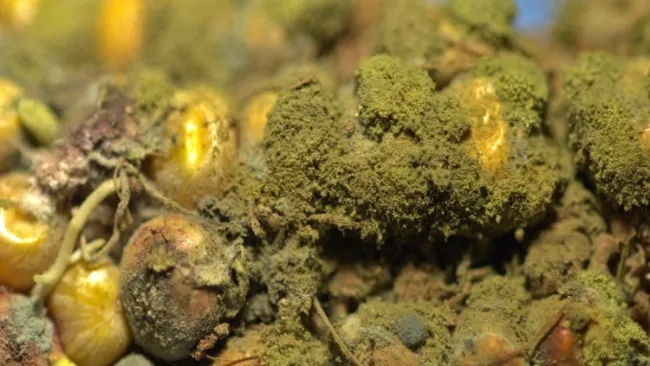
Encapsulated acids, enhanced with essential oils, effectively target and eliminate pathogens in piglets' guts, reducing Salmonella prevalence significantly in trials.
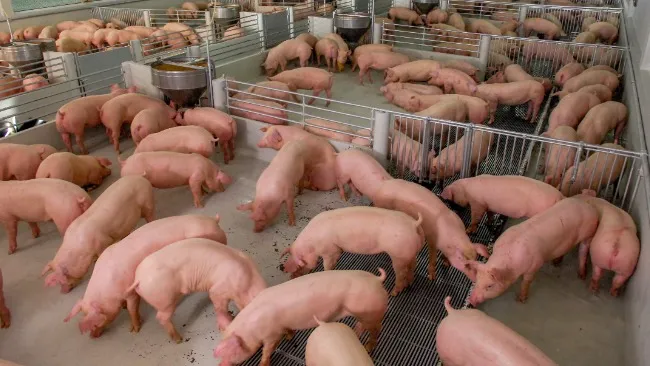
A study on hyperprolific sows in the Czech Republic showed that supplementing with beta-glucan increased colostrum immunoglobulins, improving survivability and weaning performance
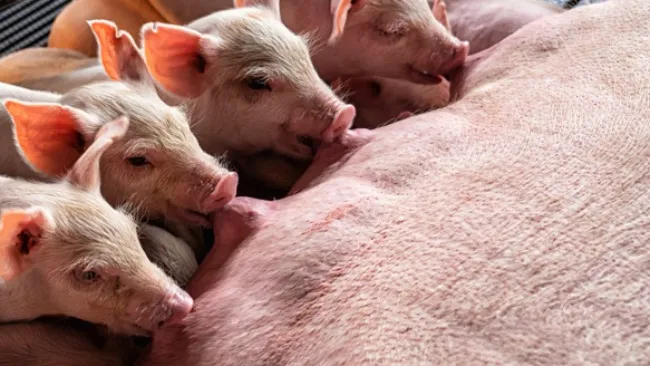

incorporating an immunomodulator into your finisher herd management strategy offers dual benefits: rapid stabilization and heightened vaccine efficacy if used, maximizing the value
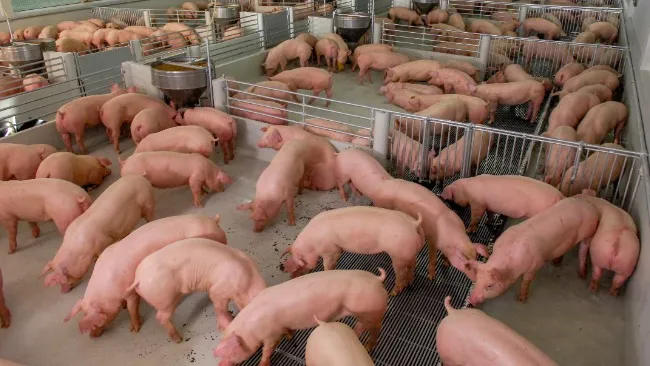
Beta glucans boost animal immunity, enhance vaccine responses, fortify animals against stress and inflammation. Linear beta-1,3-glucans from unicellular algae are most effective.
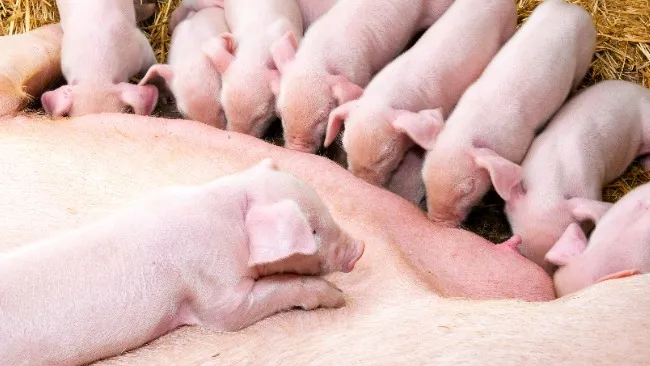
Probiotics can be an useful tool to improve gut health, increase productivity whilst reducing antibiotic usage.
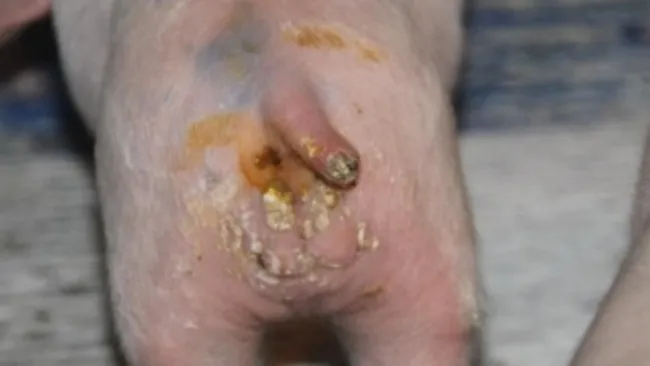
Butyrates are crucial for gut health and integrity. Enterocytes and colonocytes, use short-chain fatty acids like butyrate as their preferred energy source.

In this article, we focus on probiotics: what they are, how they work, their desirable characteristics, and the experiences from Denmark and Brazil.
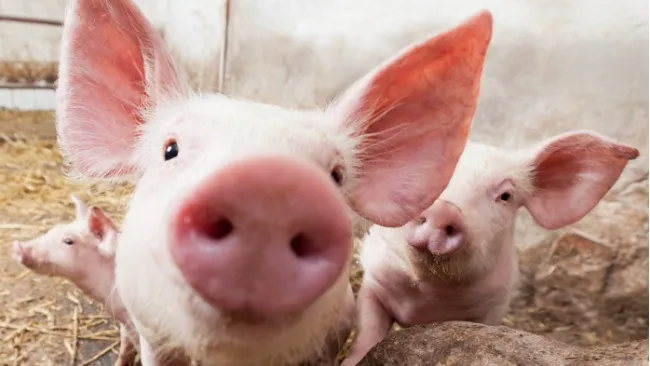
A study conducted in the UK compared diets with probiotics, organic acids, and immunomodulators, showing significant improvements in the growth and performance of piglets.