



















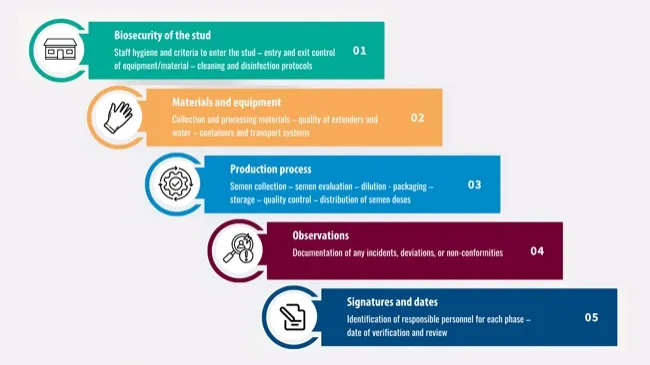
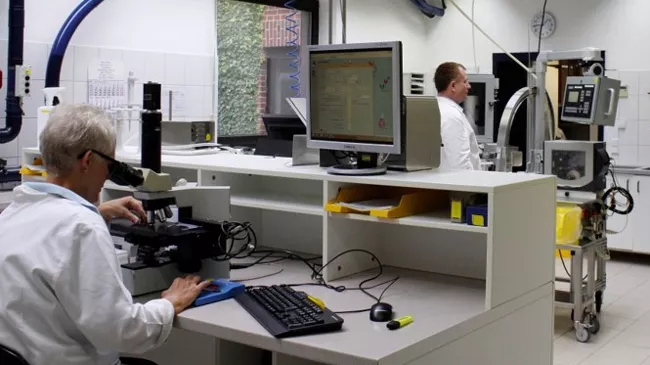
A checklist for a semen processing center serves as a tool to ensure consistency, traceability, and quality throughout the steps involved in producing a semen dose.


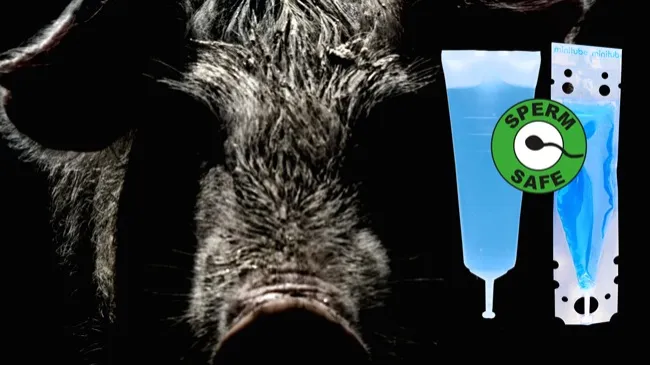
A semen container must guarantee non-toxicity in terms of sperm tolerance and semen fertility.

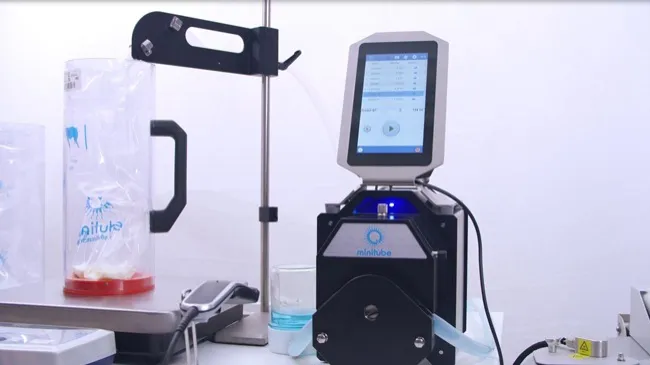
Minitube‘s ADA protocol ensures consistent and accurate dosage of antibiotics in extended boar semen and avoids the handling of antibiotics in powder form.
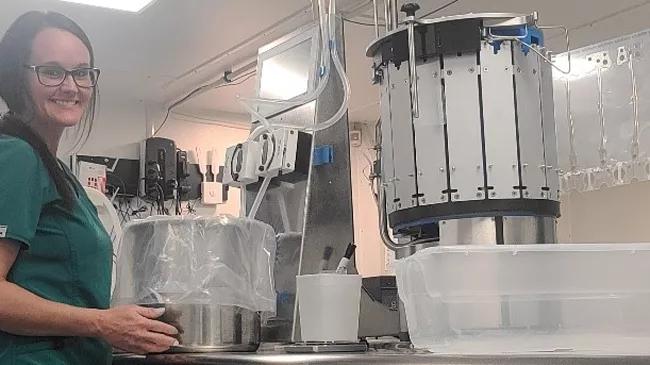


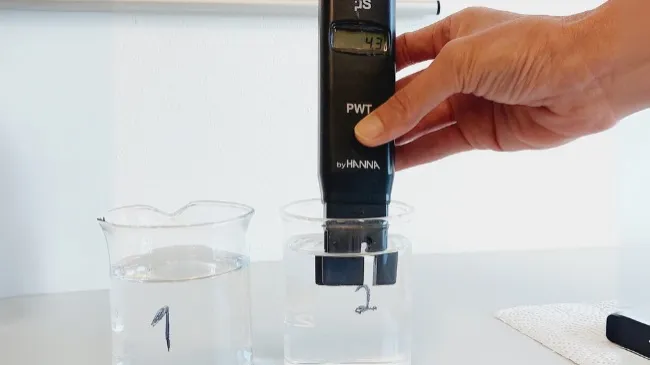
Understanding water purification methods and maintaining rigorous water quality standards is essential for ensuring reproductive success and animal health.
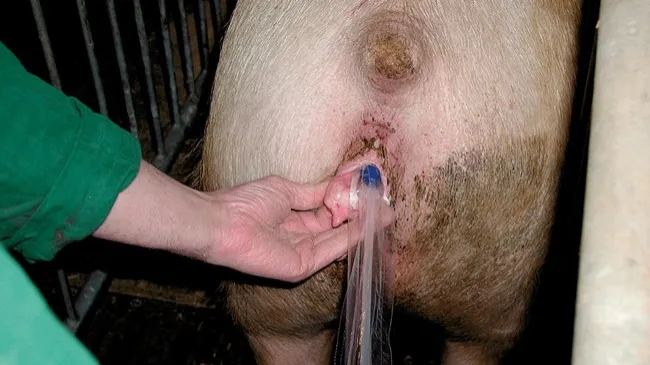
Post-cervical artificial insemination (PCAI) is the insemination of sows with a semen deposition beyond the cervix directly into the uterine body.
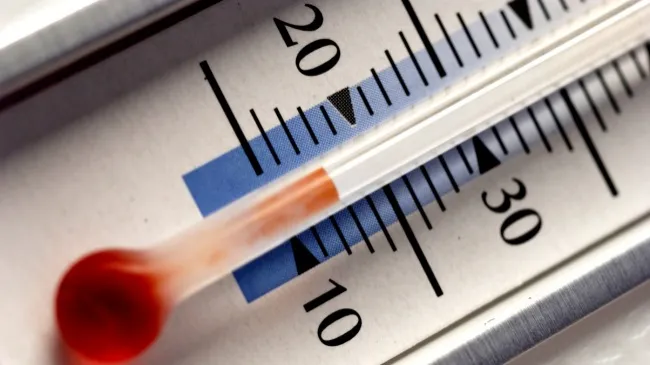
Freshly collected boar spermatozoa are very sensitive to cooling and rapid dilution. Any change in temperature can affect their ability to fertilize.

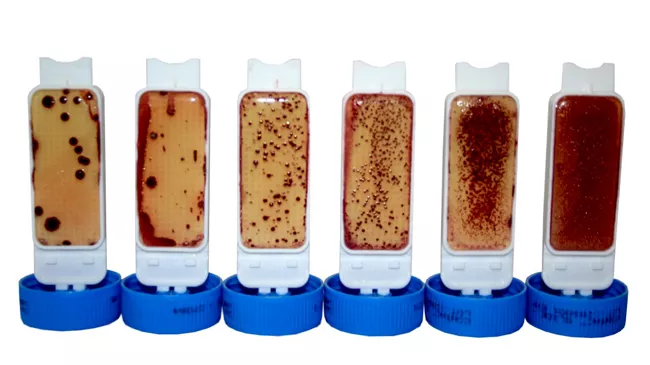
High quality semen doses must be free of pathogens and provide fertile sperm cells. Hygiene in semen production is key to minimizing bacterial growth during storage.

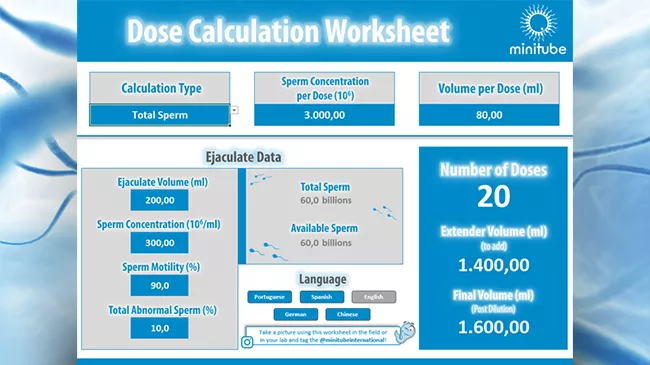
The number of sperm per dose is a very important quality criterion for the successful fertilization of a sow after insemination. Variations require analysis of possible causes.
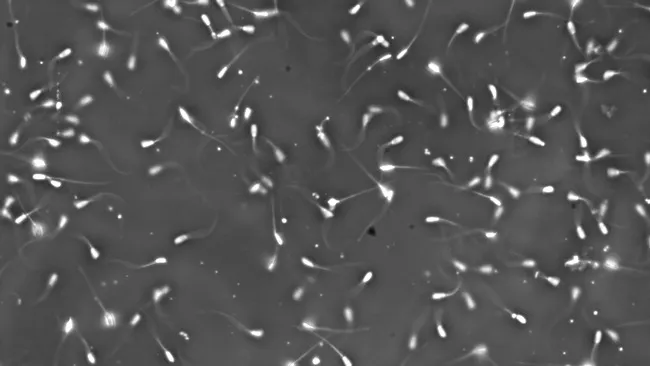

In modern animal production, the responsible use of antibiotics is essential to meet societal expectations, combat resistance, and ensure sustainability.

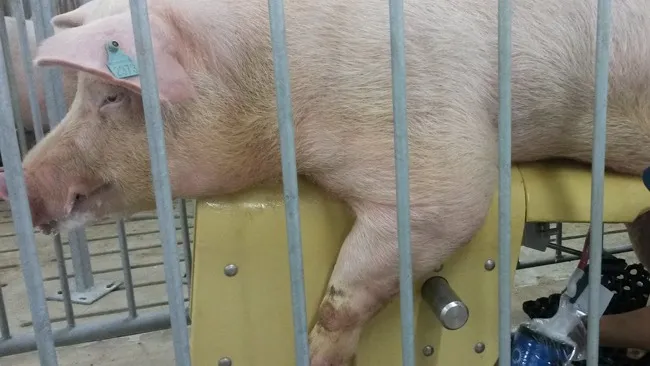
Effective training is essential for introducing young boars to semen collection and maximizing their productivity in semen production.

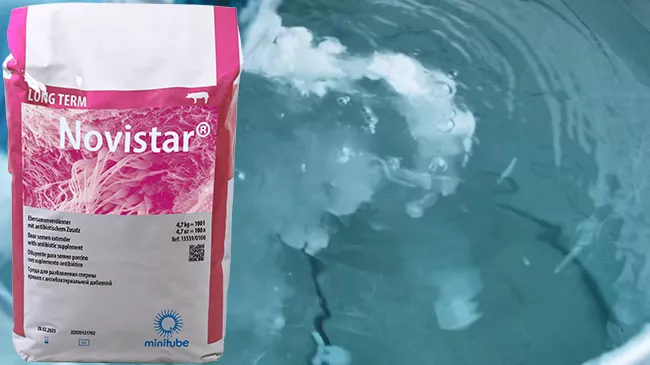
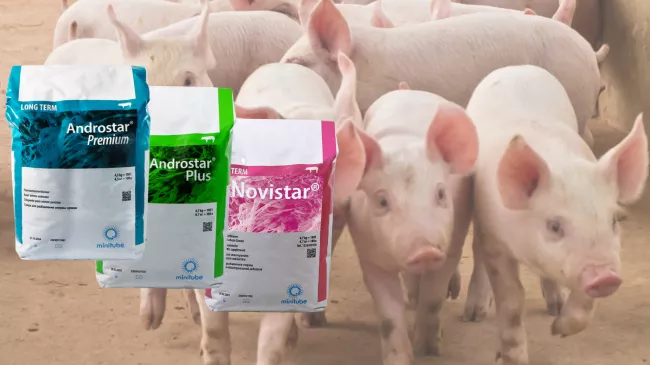
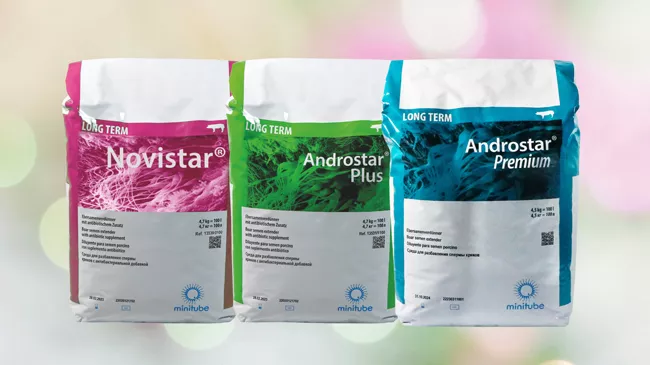
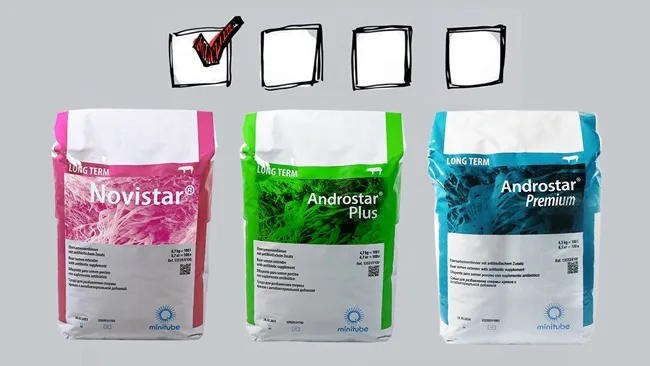
Since approximately 90% of a typical semen dose is made up of extender, selecting the right extender is critical to success in pig production.
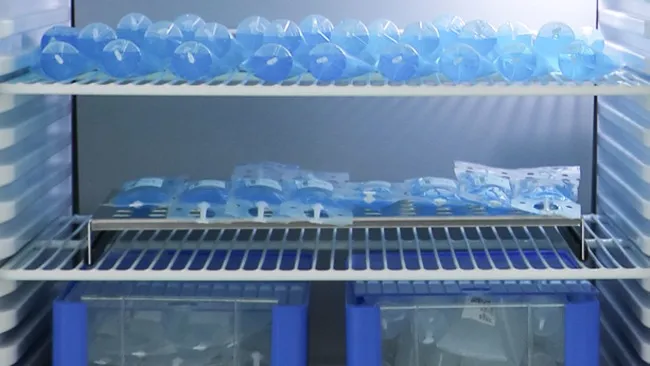
See how effective semen dose management on the sow farm, from arrival to use, focusing on storage and quality control, improves fertility.