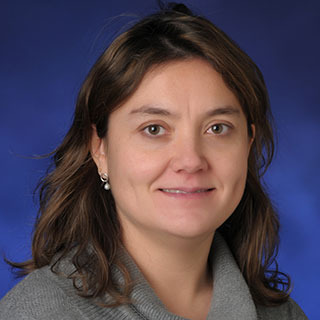
Dr. Montserrat Torremorell is currently the A.D Leman Chair in Swine Health and Productivity and an associate professor in the Department of Veterinary Population Medicine at the College of Veterinary Medicine. She earned her DVM degree from the University Autonomous of Barcelona in 1994 and her PhD from the University of Minnesota in 1999.
Dr. Torremorell joined the University of Minnesota in her current role in May 2009. Prior to that, she was employed at Genus/PIC, the largest swine breeding company in the world, in a range of roles related to health assurance and health research. Dr. Torremorell led the efforts in PRRSV elimination where PIC USA was able to move from 12% to 100% PRRSV negative status in 5 years. Dr. Torremorell also participated in the National PRRSV Elimination program in Chile and more recently has worked in swine influenza control and elimination. Dr. Torremorell has an extensive background in swine health, research, and production systems, including health improvement strategies, disease eradication, diagnostics and biosecurity programs, and health genomics.
Dr. Torremorell currently teaches a veterinary elective class in Veterinary Medicine and collaborates in other teaching activities related to swine diseases. She is also the director of the Swine Disease Eradication Center at the College of Veterinary Medicine at the University of Minnesota. Dr. Torremorell is the author of more than 40 peer-reviewed journal articles and more than 100 abstracts and articles in conference proceedings. Dr. Torremorell was awarded with the Allen D. Leman Science In Practice Award from Pfizer and the University of Minnesota in 2003 for the work on PRRS elimination. Her research interests include infectious diseases of swine focusing on influenza and other swine diseases of economic significance. For her influenza research, she is interested in further understanding SIV transmission, including aerosol transmission and factors that contribute to the persistence and spread of flu in populations. In addition she is interested in further elucidating strategies to control, eliminate and prevent flu infection in pigs and further understanding the interface pigs and people.